I wasn’t thinking about work.
That’s probably the first thing to say, because it matters. I was standing mid-stream on the Owens River in California this weekend, just trying to fish a stretch of water that looked about as good as it gets. Clean current, a little depth change, structure along the far edge where you’d expect fish to sit.
It had that “this should work” feel to it.
And nothing was happening.
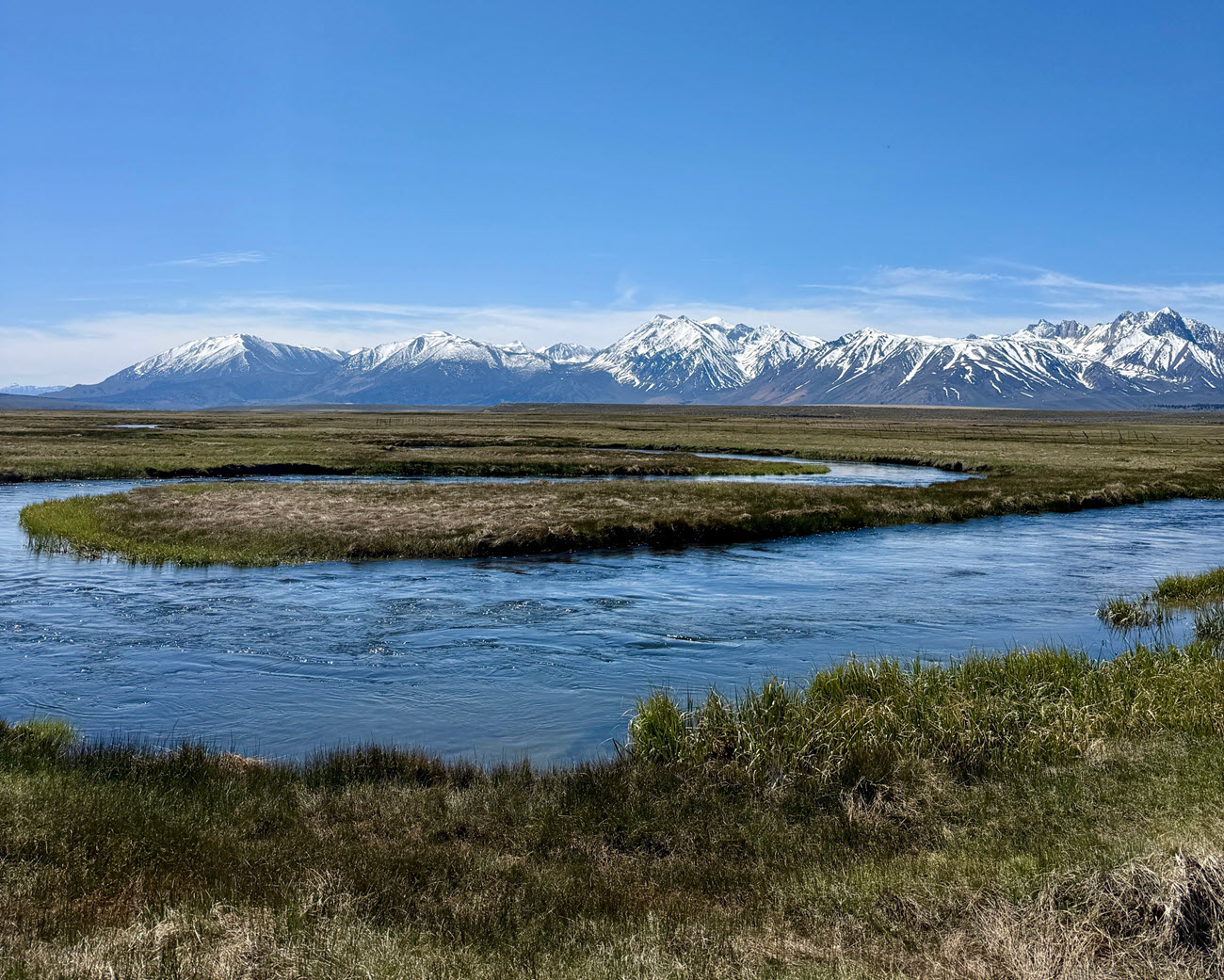
Cast after cast, same drift, same expectation. You know the feeling — everything looks right, but the result just doesn’t show up. No hits, no follows, not even that half-second hesitation in the line that makes you think maybe something’s there.
After a while, you stop focusing on the cast and start looking harder at everything else.
That’s when it started to feel familiar.
Not fishing familiar — work familiar.
There’s a moment in technical work where you’ve done everything “correct.” Specs line up, process is clean, assumptions are reasonable… and the system still doesn’t behave the way it should. Nothing is obviously broken, but the output just isn’t there.
Standing in that river felt exactly like that.
I had picked the spot for a reason. There was logic behind it. But the fish didn’t care about my logic any more than a piece of hardware cares about what it’s supposed to do.
So I did what I’d normally do back at work — I started changing things. At first, bigger moves than necessary. Swapped flies completely. Covered more water. Changed positions enough to feel like I was doing something productive.
It didn’t help.
If anything, it made it worse. More movement, less attention.
That’s another one that carries over pretty clean: when something isn’t working, the instinct is to make bigger changes, faster. But most of the time, that just adds noise.
I slowed it down.
Same spot, but I adjusted the drift just a bit deeper. Let the line ride longer before correcting it and making more subtle roll castsA fly fishing casting technique used to reposition the line without a backcast. rather than aggressive ones. Moved maybe a couple feet to change the angle across the current. Nothing dramatic — just small, controlled adjustments.
That’s when things started to shift.
The fly that finally broke the silence.
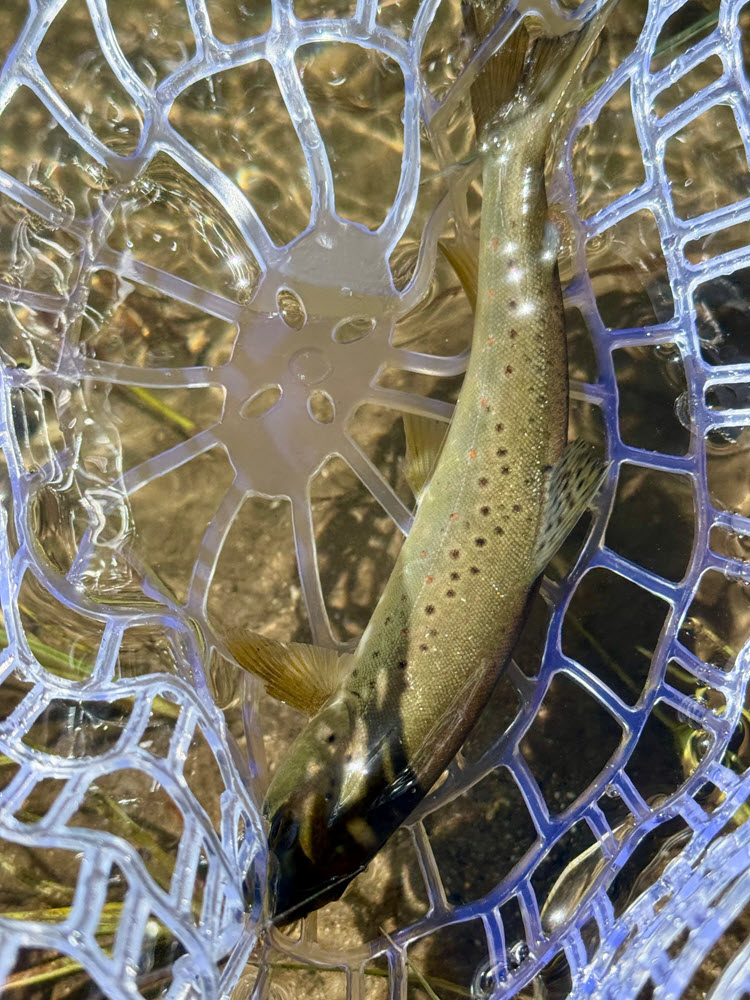
Not instantly. Not in a way that made you feel like you “figured it out.” But enough to notice that something was different. A slight hesitation. A moment where the line didn’t behave the same way it had on the last ten casts.
It’s subtle, but that’s usually how it starts.
You’re not solving the whole problem — you’re just getting closer to where the problem actually is.
The thing about fly fishing is you’re working with almost no visibility.
You can’t see the fish most of the time. You’re reading surface clues, current speed, light, maybe the occasional rise if you’re lucky. Everything else is interpretation layered on top of experience.
It’s not that different from troubleshooting something technical.
You’re never working with the full picture. You’re piecing it together from behavior, not direct observation. Trying to figure out which variable actually matters and which ones are just along for the ride.
And if you’re honest about it, a lot of what you’re doing in both cases is educated guessing.
After a while, you start to recognize things without really thinking about them.
Not because you logged every detail, but because you’ve seen enough repetitions that certain patterns just stick. Certain water that looks right but rarely produces. Certain conditions where things come alive for a short window and then shut off again.
You don’t always know why, but you know enough to trust the signal.
That’s the part that feels the same as work more than anything else.
You’re not relying on memory like a checklist. You’re recognizing shapes — patterns that repeat just often enough to guide your decisions.
At some point I stopped trying to force anything out of that stretch and just stood there for a bit, watching the water instead of working it. Let things slow down enough to actually see what was happening instead of reacting to what I thought should be happening, which is probably something I don’t do enough of either out there or back at work.
That shift from doing to observing is easy to overlook, but it’s usually where things start to turn. Not in some obvious way where everything suddenly clicks, but just enough to notice that you’re no longer guessing the same way you were a few minutes before.
I didn’t go out there thinking about systems or troubleshooting or any of that, but standing in that river it was hard not to notice how similar it all felt — different tools, different environment, but the same kind of thinking underneath it. You’re still working with incomplete information, still making small adjustments, still looking for patterns in something that doesn’t really want to be obvious.
It’s not about controlling the outcome as much as it is getting just enough clarity to stop guessing blind, and most of the time that’s enough to move things in the right direction.
Field Note
This article was written from a personal fly fishing trip to the Owens River in CaliforniaA river in California known for fly fishing and natural water flow., where the observations and parallels were formed in real time while on the water. The images used in this post were photographed during that outing to reflect the actual environment and conditions described.
Final wording and structure were lightly refined with editorial assistance for readability, but the experiences, observations, and conclusions were determined by the author.
Let GetUSB.info keep you updated.
Receive article notifications about USB storage, flash memory, and duplication updates in your preferred language. We average a couple of articles per week.