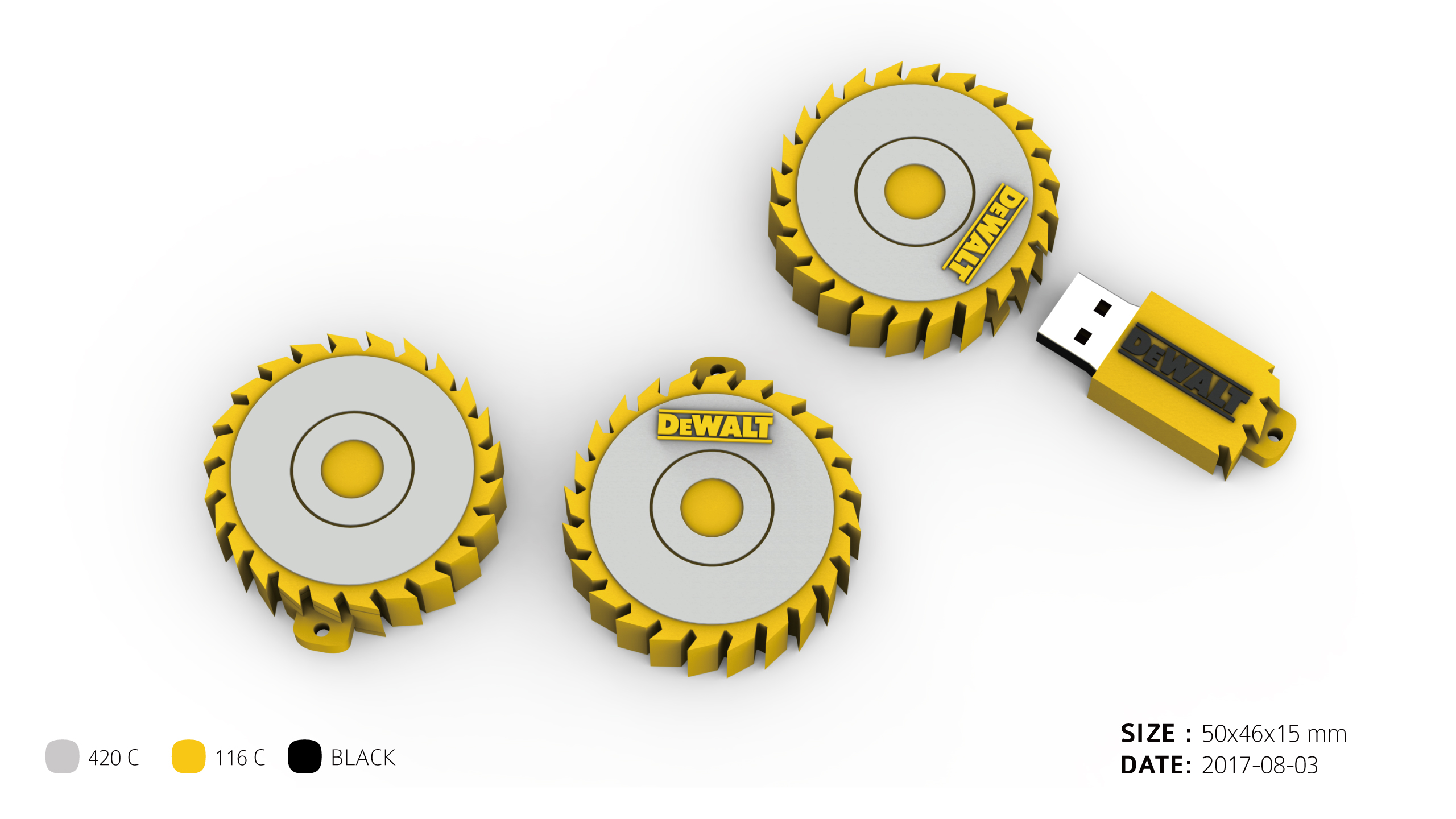
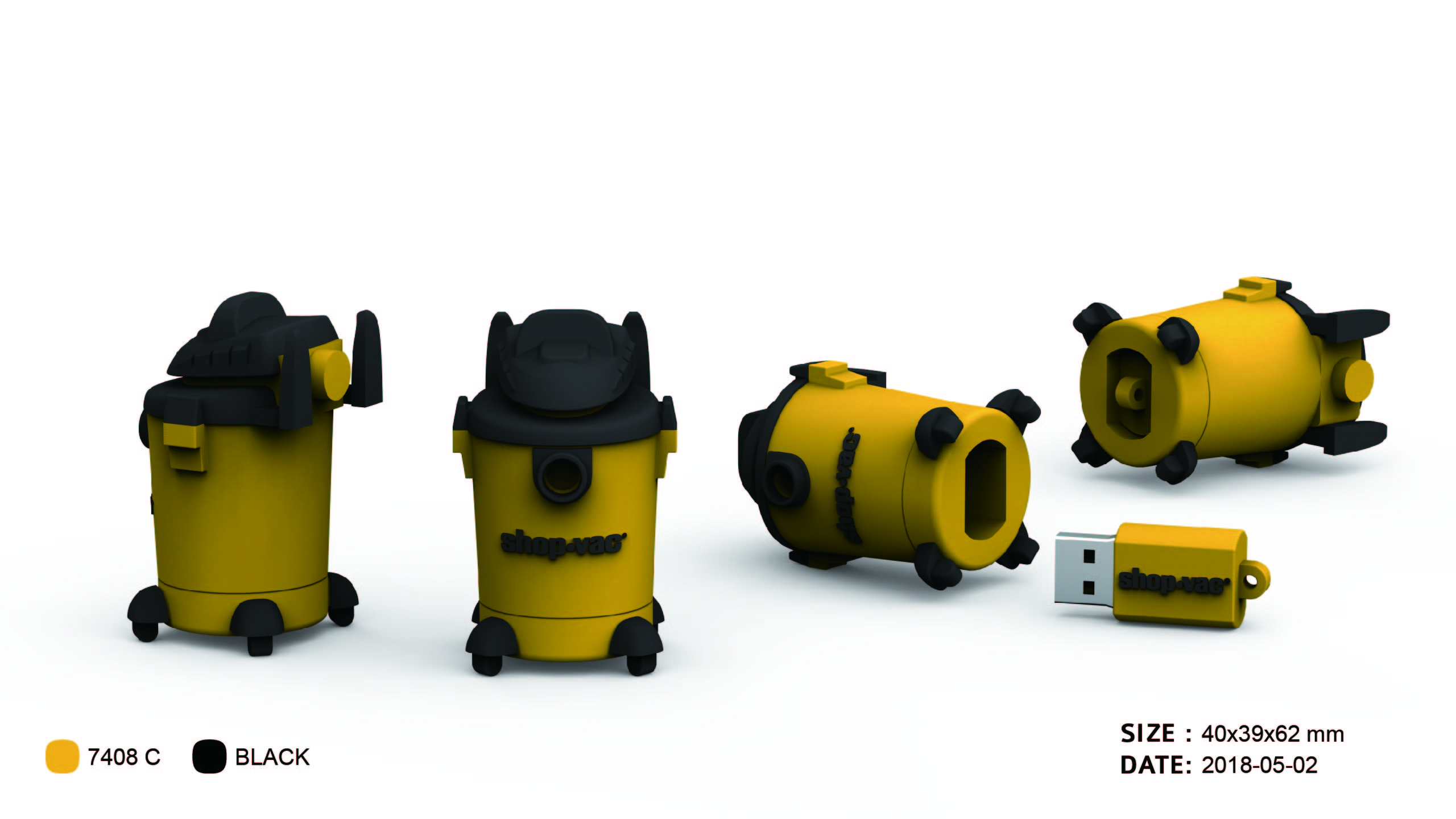
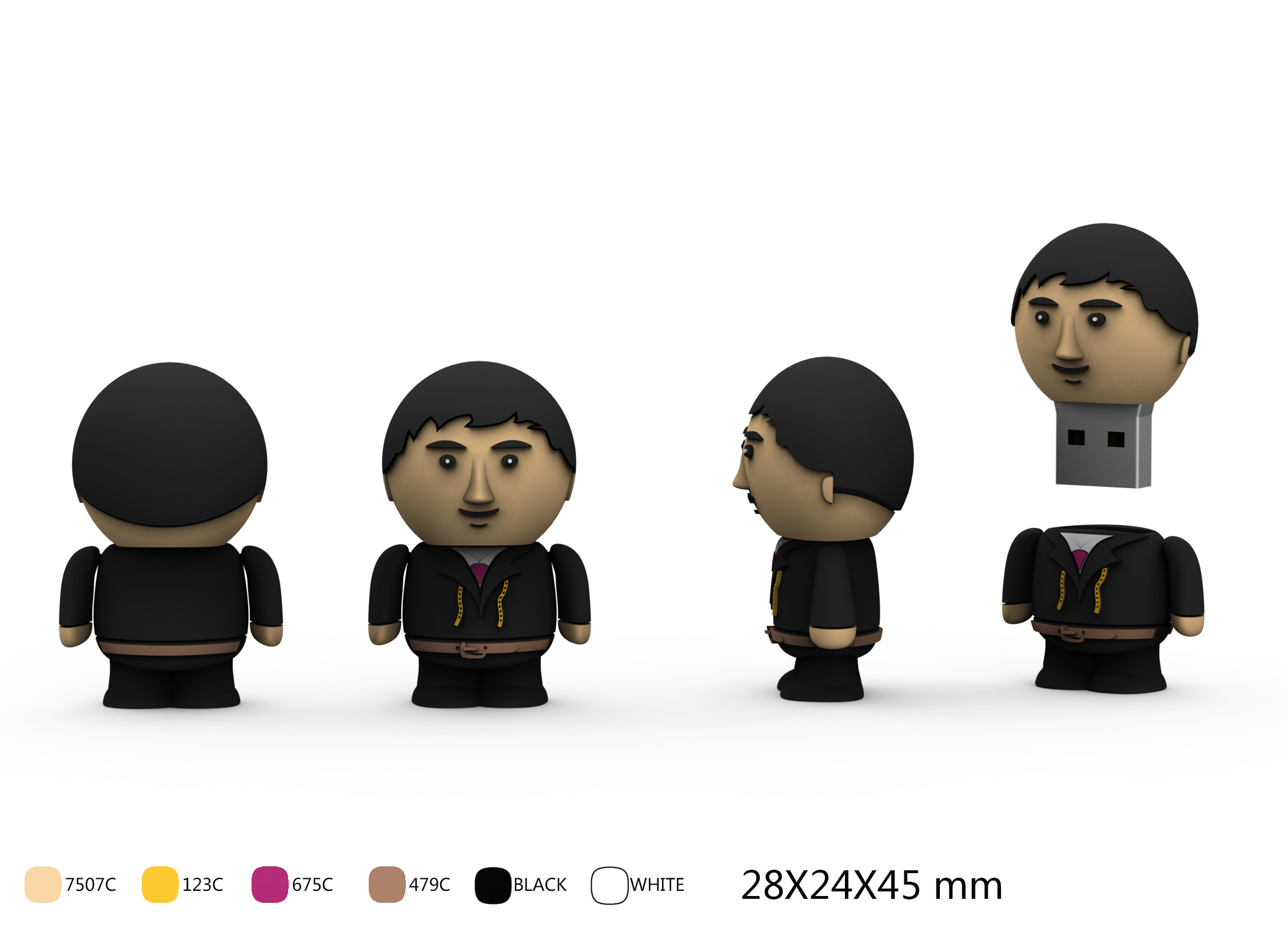
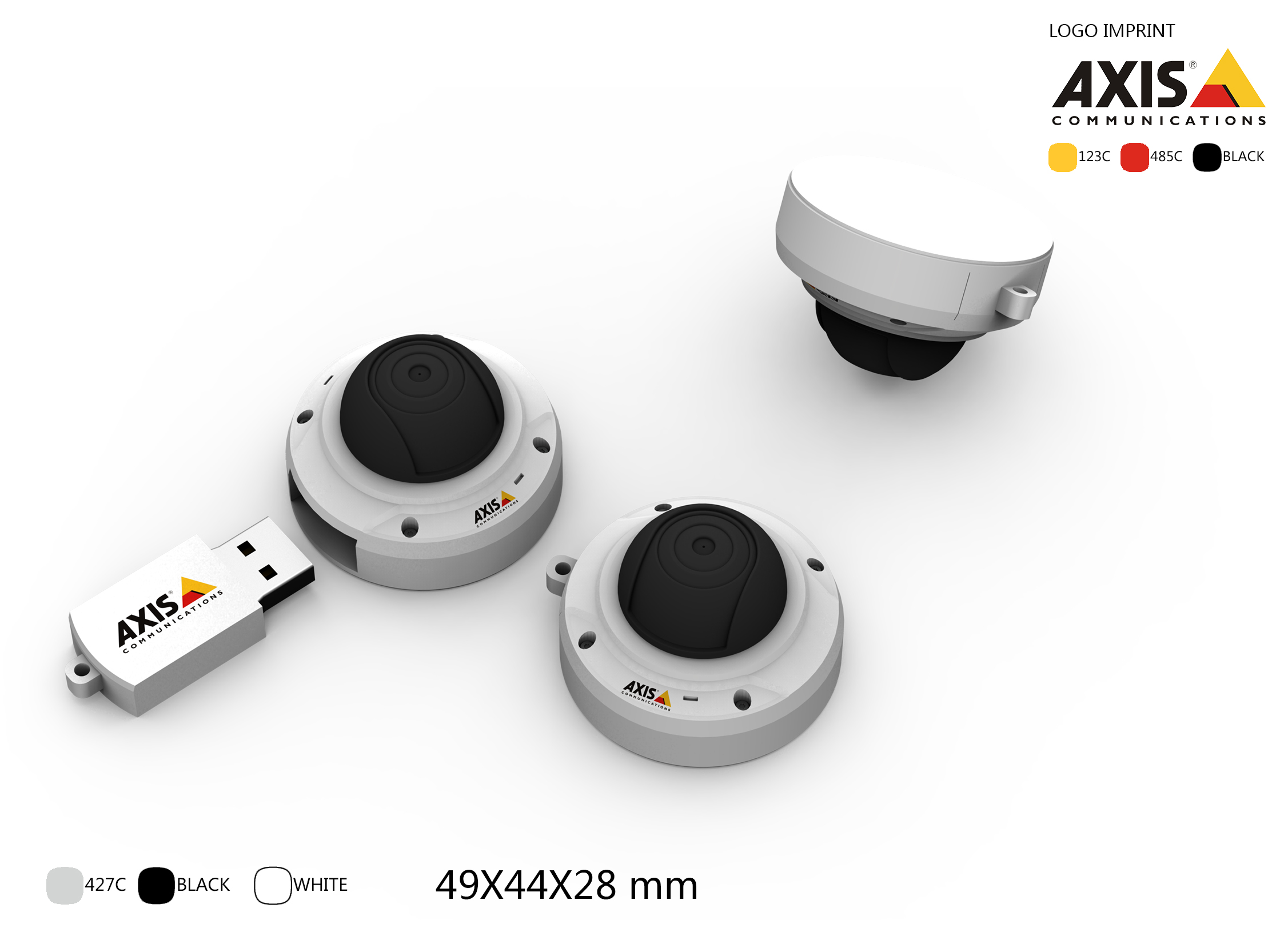
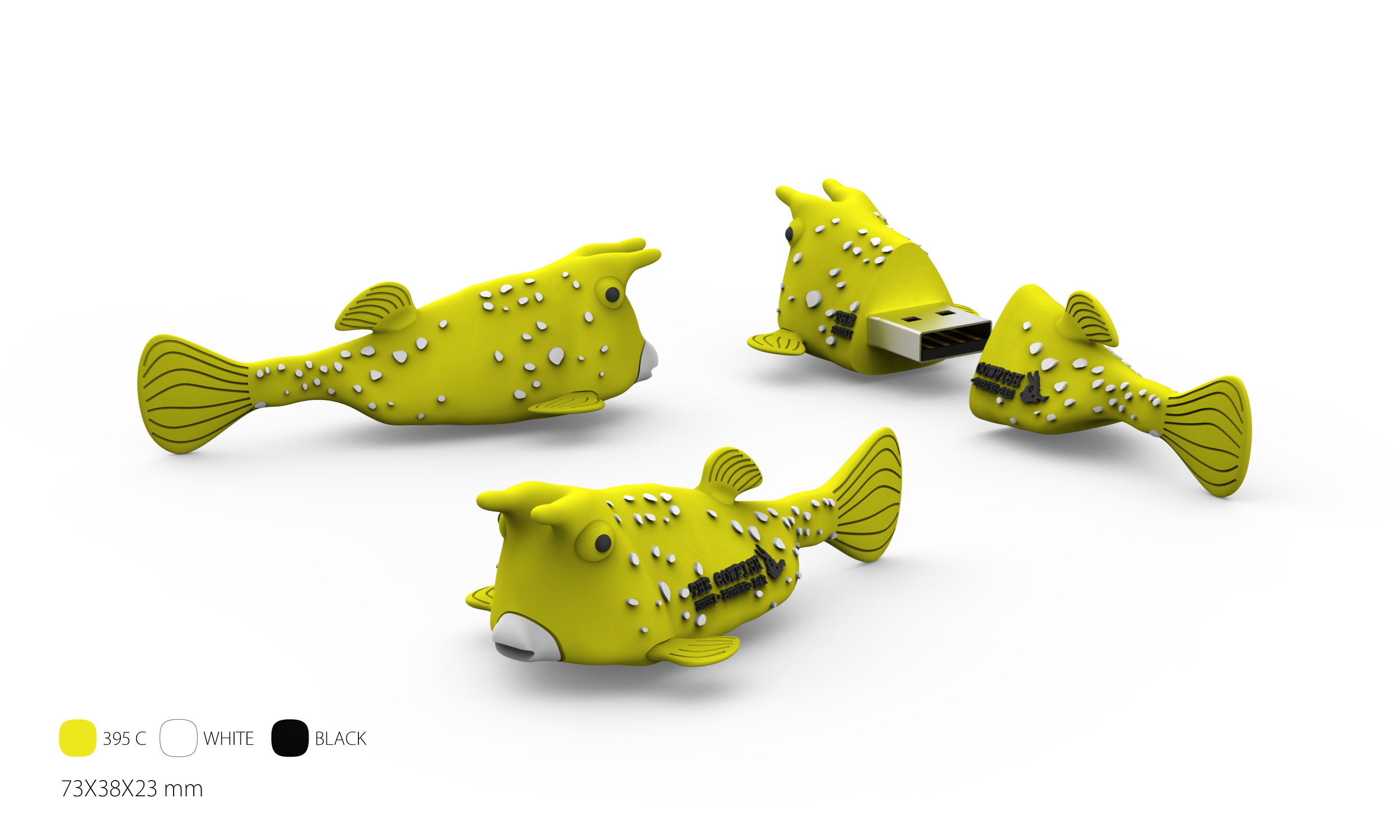
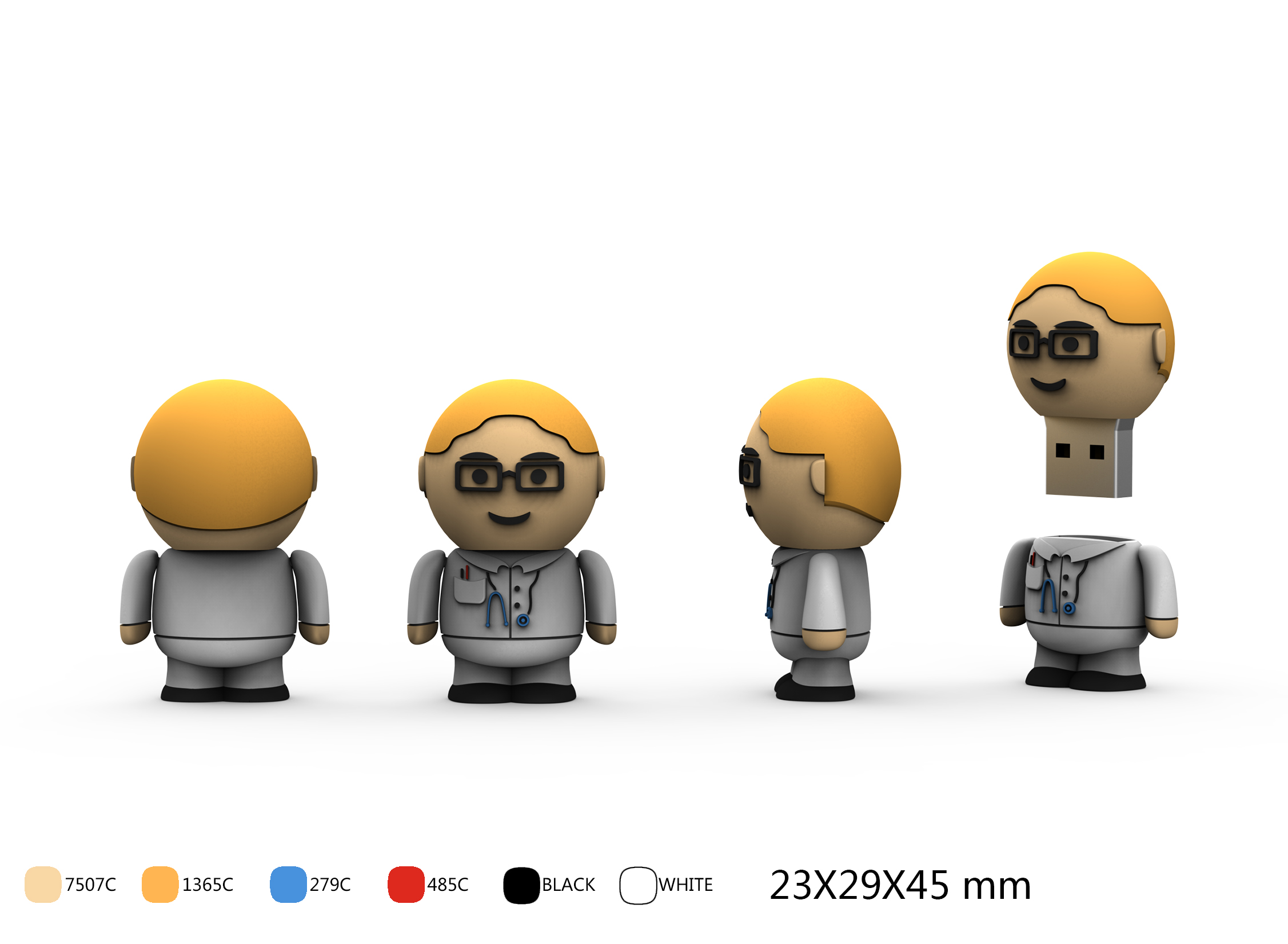
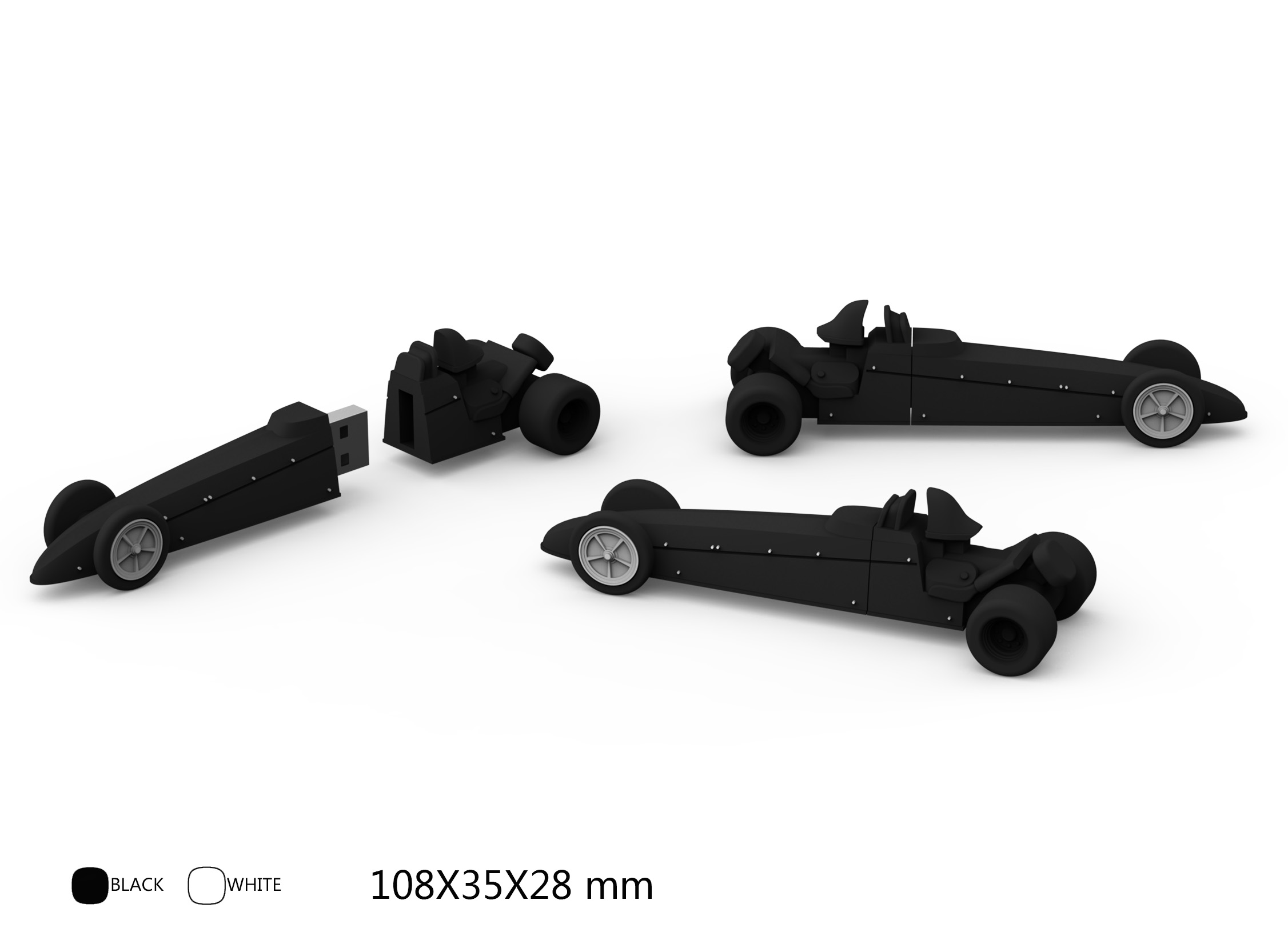
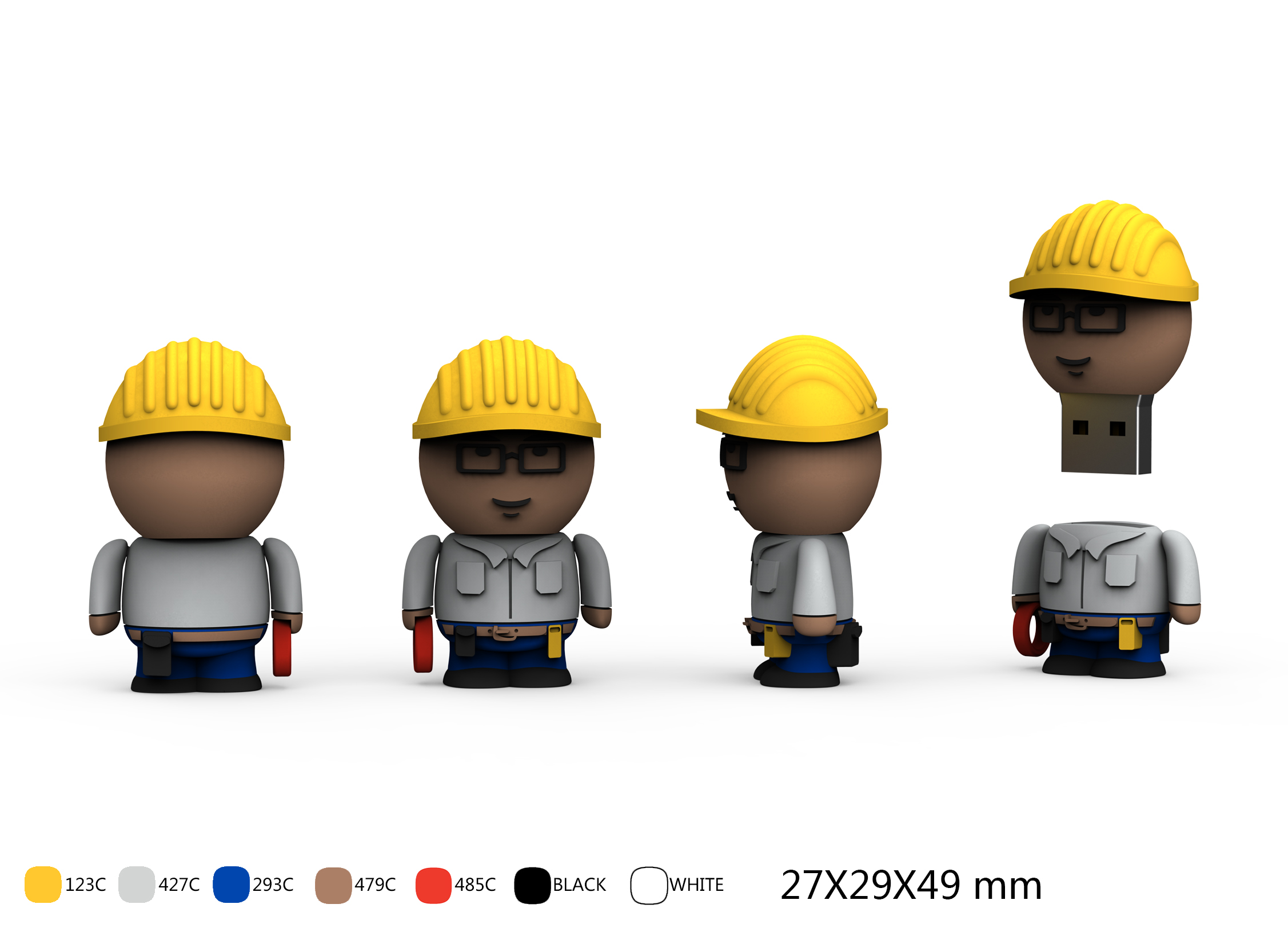
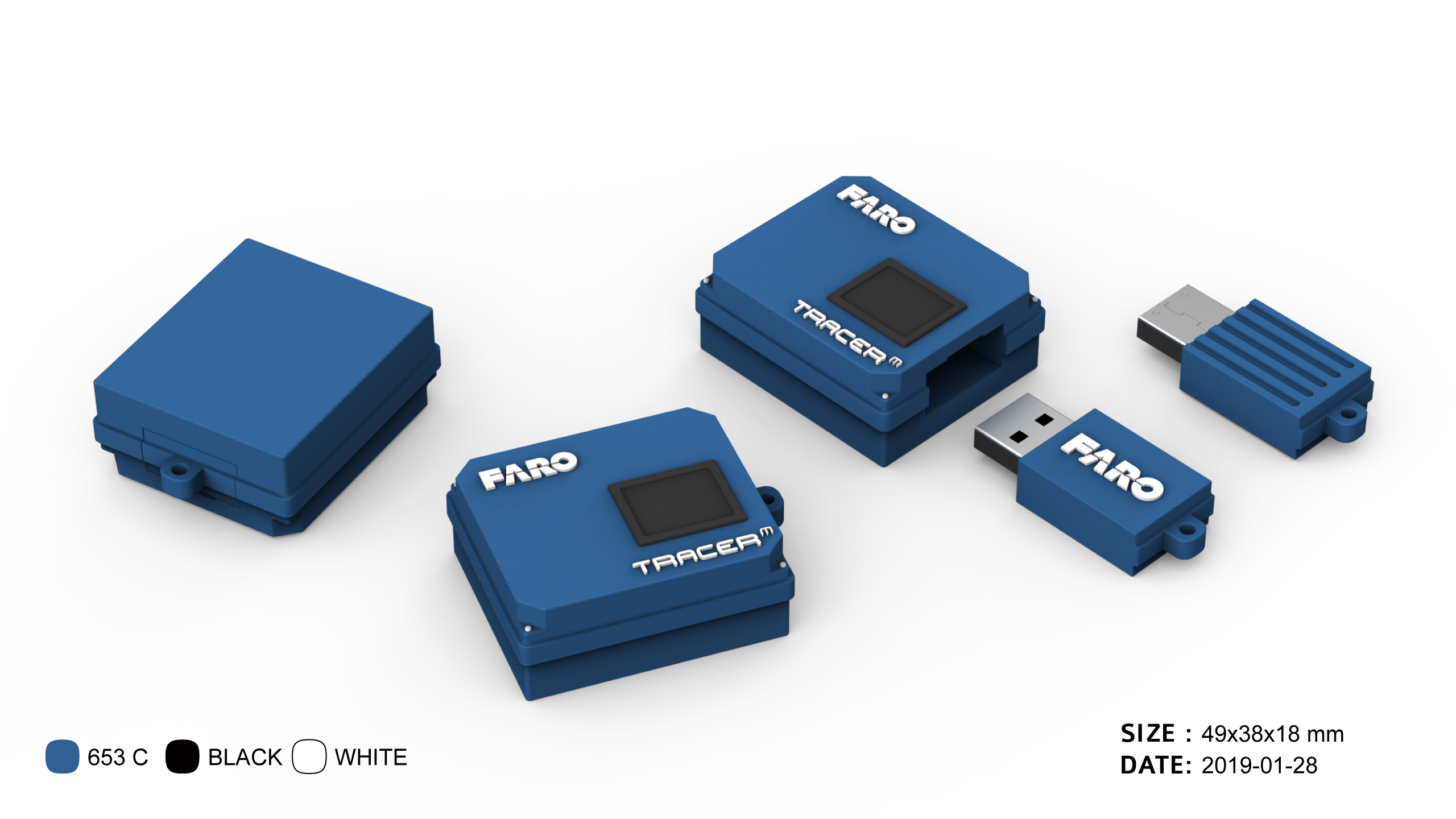
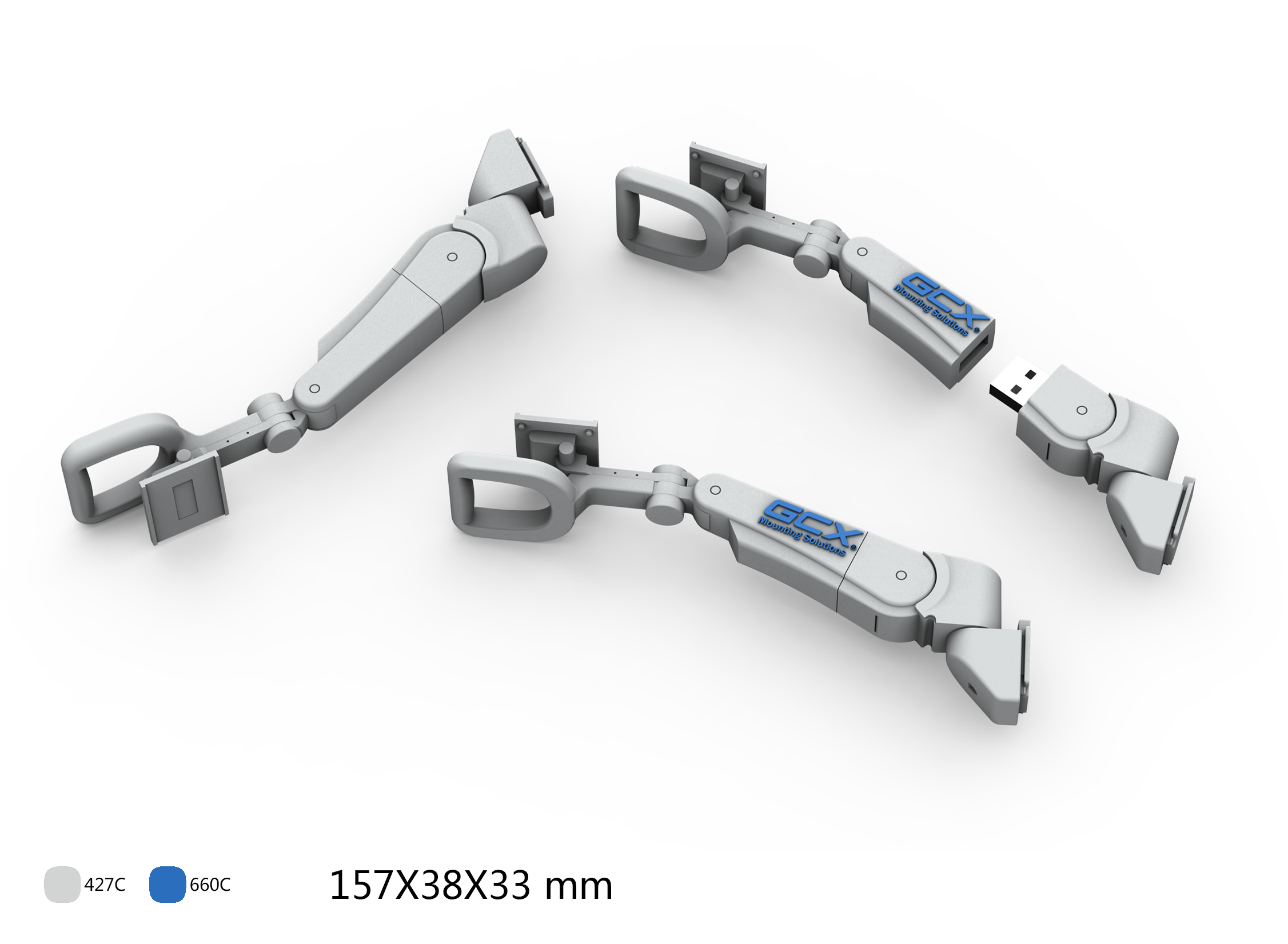
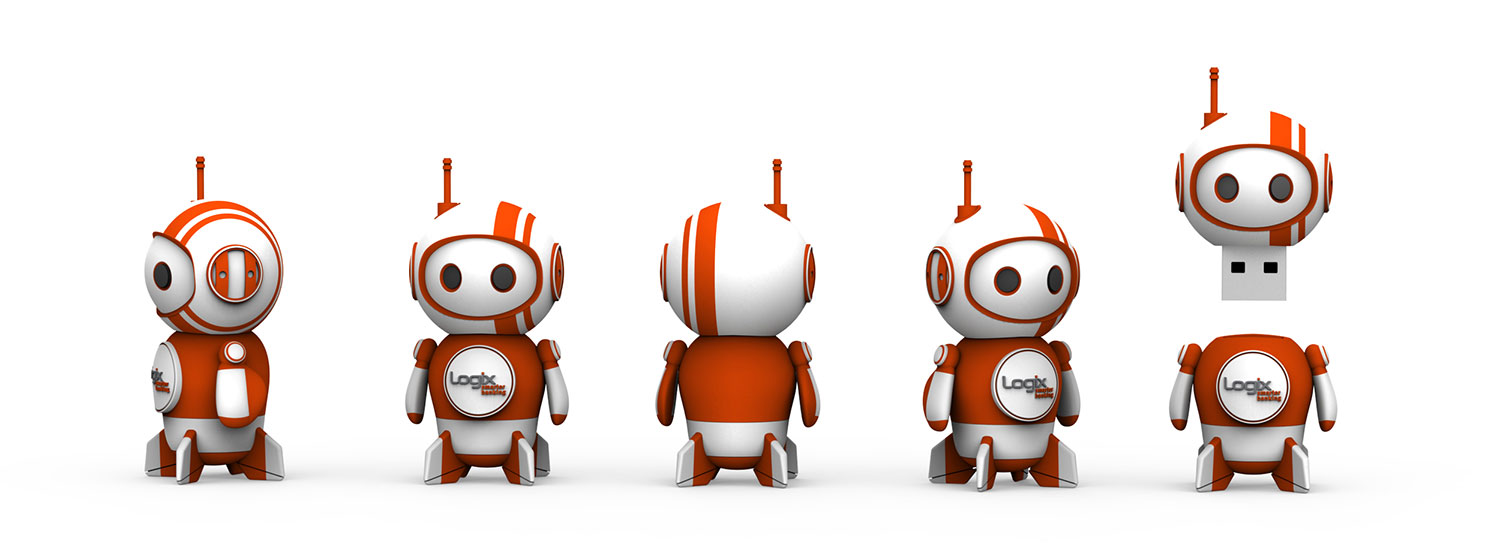
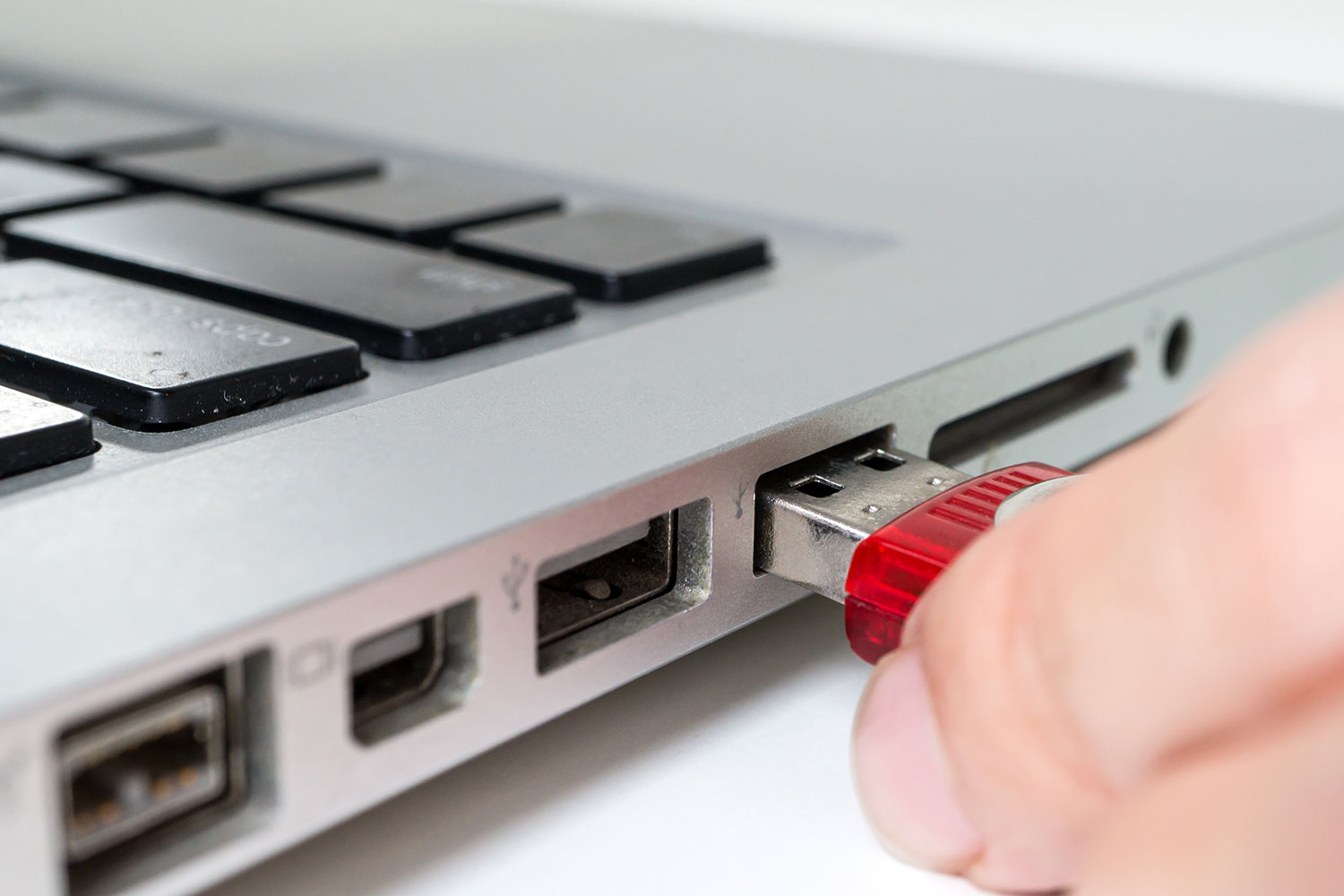
Here are 60 incredible Custom USB Flash Drive designs. Each one of these designs is real and was made for a company or client. The custom USB shapes are not listed in any specific order.
Satechi, a company based in San Diego California unveils a new USB hub for the 2018 iPad Pro.
Designed specifically for 2018 iPad Pro to conveniently access peripheral devices while on the go.
Featuring stunning 4K 30Hz HDMI display (2K 60Hz limitation for iPad Pro), USB-C PD 3.0 charging, USB 3.0 (up to 5 Gb/s) and 3.5mm headphone jack, all over a single USB-C connection. The USB 3.0 socket is the only USB port which transmits data, the USB-C socket sends only power. It’s worth noting the power features USB-C Power Delivery 3.0 charging, so it will deliver optimal power to the connected device while your iPad is churning through 4K video on some other application.
The hub is well designed an in-line with Apple’s design standards. This isn’t a chunking add on to your new iPad.
Satechi is offering the USB hub at $59 and you have the option of two colors while ordering: Silver or Space Grey.
You know a product is a great idea when a couple of pictures describe the entire product.
With that in mind, we’ve all seen wall outlet USB charges, but the Snap Power, in my opinion, will rule them all.
The design is clever. Installation is ultra-easy. Accessibility supersedes all others.
Take a second and just look at it:
In my mind there are three things which make this a brilliant wall charger. If you don’t mind me walking you through the obvious, here we go.
Or skip the highlights and jump right over to their website:
The design is brilliant. The User keeps both outlets available for normal use while a sleek looking USB port is added underneath. At the time of this article there is one USB socket, but visiting their website you can see two sockets, one on either side. They are constantly improving.
Installation is very easy. Simply unscrew your current face-plate and replace it with
Continue ReadingNo Comments
Get ready for summer with this water based USB fan. This is a small, portable fan houses a sponge so when air is drawing over it, cooler air comes out.
I’ve seen on the web some call this a portable air-conditioner, and I think that is unrealistic. However; if you want cooler air than what is in your office or room, this will do the trick.
I’ve read a couple of reviews from Amazon about the fan it people say it’s quite and does a good job of sending a stream of cool air.
You can run the fan directly from USB, or charge the battery for portable use. For example, on a hot summer day watching your kid play travel soccer or softball.
The USB water cooled fan comes in three different colors and is available now, before the heat of summer hits! At the time of this writing the USB fan was only $15. Almost a no-brain-er just as a try.
With all the gadgets we post about here at GetUSB.info sometimes a word or definition can get twisted on it’s meaning. One of those terms is UDISK. First, please don’t complicate the term into something more than it is. There are two answers to this question.
There is the “slang” term for UDISK and there is the “technical” term for UDISK.
The “slang” term for UDISK
The Asia / Pacific Rim region use the term UDISK to describe a flash drive. This is the most common use of the term “UDISK” for no-technical people. In the United States and Europe people do not use the term UDISK to describe a flash drive, rather the common term of “USB flash drive” or “thumb drive” or “USB key.”
The “technical” term for UDISK
The technical term for UDISK is a bridge chip which is used inside an enclosure to turn a hard drive into an external storage device that connects via USB cable.
For example, in the picture below is a hard drive enclosure which is designed to hold a magnetic hard drive and turn the hard drive into an external storage device. A magnetic hard drive typically has an IDE or SATA connection interface and a UDISK chip is used to bridge the IDE (or) SATA interface to that of USB. This bridge chip (UDISK) changes the hard from from IDE protocol (or SATA protocol) to a USB protocol.
Examine the picture a bit closer and you can clearly see the SATA interface on the PCB. On that same PCB is the UDISK bridge chip which does the protocol translation.
The second image shows the back side of the external hard drive case with the USB cable connected to the enclosure. Using the UDISK bridge chip allows for an IDE or SATA hard drive to be connected to a host computer system via USB cable.
Cypress Semiconductor (now Infineon) makes such a bridge chip, called the FX3.
Conclusion:
UDISK is most commonly used to describe a USB flash drive.
Technically the term UDISK describes a bridge chip used in hard drive enclosures.
Account security is one of the most vital pieces of the busy and interconnected world right now and nobody wants strangers accessing their personal information online. You might use a password manager as well as two-factor authentication like we mentioned in a previous post, but now there’s another way to stay protected.
In response to similar approaches from Google and Dropbox, Facebook has added support for safe login security keys. When you log into your account, this device will prove your identity rather than a code which sends to your phone. In addition to the superior security, they’re also potentially faster. With just a tap on the device you can have access to your Facebook account and feel safer in knowing only you can unlock it. It’s a welcome move from the company in an age where cyberattacks and identity theft are on the rise and as a universal rule on the internet, it’s never a bad time to strengthen your defences.
To the confusion and frustration of many iPhone 7 users, the lack of an audio jack is being seen as a step forward rather than back. With the advent of USB Type-C, audio will no longer require a 3.5mm headphone port. Instead, that data can be transmitted, along with videos and power, through Type-C.
The USB Implementers Forum (USB-IF) recently announced its awaited audio specifications for USB Type-C to end the reign of our beloved headphone jack so lets take a look at the new standard. Officially called the USB Audio Device Class 3.0, manufacturers that need to feed sound through USB Type-C ports are affected the most by it. Everything from PCs to phones is included and the USB-IF expects Type-C to be the “primary solution for all digital audio aplications, including headsets, mobile devices, docking stations, gaming set-ups, and VR solutions.”
If the “smart TV” craze hasn’t made it to your home entertainment yet, making one on your own is getting easier every year. All you need is a spare HDMI slot and the Intel Compute Stick.
While all pre-built desktops and laptops come with a hard drive, it’s not uncommon for users to look for a more mobile way to store their data rather than carrying their entire machine with them to all destinations. External hard drives have been the answer to this lack of mobility ever since the ingenuity of a floppy disk met with the carrying capacity of standard disk or optical memory and while many users have their needs met by existing externals, the paradigm of “bigger, faster, and cheaper” in the tech industry rings true as Seagate unveils the Innov8.
The Seagate Innov8 is first in its class in a variety of ways. Its 8TB capacity is something rarely seen in externals and the reason for this is transfer speed. External hard drives usually connect to a machine through a USB cable and with the standard transfer rates of USB 2.0 and even USB 3.0, uploading and accessing such a massive quantity of data was not feasible. Seagate has solved this by being the first and only pioneer to not only use USB Type-C connections to access data, but also for power needs. The Innov8 reduces the additional power cord required for external hard drives of this size by making it energy efficient enough that just one Type-C connector can power the device. Additionally, with the recent release of USB 3.1, an 8TB drive is no longer some overwhelming beast of a data load to sift through when armed with speeds up to 10Gbps.
Never again will the average skateboarder miss out on recording a sweet 12-stair or kickflip due to lack of battery life on the most popular recording device on the planet. With the revolutionary method of harnessing centripetal force, FluxTech Industries is looking to change the lives of millions of skaters across the world with the PowerBoard.
While many have dreamt of the hover board since Marty McFly showed us its possibilities, the PowerBoard achieves a far greater feat. To understand this, lets look at some of the board’s functionality. Underneath, there is a thin panel covered in an adamantium shell. Inside the panel a unique architecture of circuits, capacitors, and Legos enables the board’s magnificent ability to convert each wheel’s centripetal force into electromagnetic energy with 120% efficiency, a magnitude completely unheard of in the physical world.
It’s over 2500 years old and the rules are deceptively simple, but Go is an incredibly complex game. The rules are simpler than those of chess, but a player typically has a much more vast choice of moves. The game is played with white and black stones and the aim is to capture territory as well as your opponent’s pieces. Stones can be captured by surrounding them but the control of the board is a much more complicated matter which is why a true competitive AI has been rather difficult to create. In a landmark victory against the European champion in October it was proven that the efforts of the DeepMind team and subsequently Google’s efforts on the AlphaGo project had found success in what had been thought impossible since the early years of computing.
By first studying the patterns repeated in various games, AlphaGo will play different versions of itself millions of times during a single match and learn incrementally. Learning from its mistakes is what makes the AI truly remarkable and what led its developers to take their months of improvements since beating the European champion, to the next level. As of today, AlphaGo has secured its second win against world champion Go master Lee Sedol in a 5-game match worth 1 million US dollars. The games are being played with a 2 hour set time limit for each player followed by three 60 second overtime periods as well as the standard Chinese ruleset.
The magnitude of this achievement opens many doors to advanced functionality of artificial intelligence. The emerging truth is machines can learn real world tasks in much the same way they learn to make moves in a game. This opens new paths of scientific research while augmenting existing industries where machines can learn to identify promising areas of research and help humans in the right direction. Whether it’s fields with a sheer overload of data needing to be sifted through such as biology or security, or more subjective fields such as arts and language. As stated many times in AlphaGo’s 7 matches thus far, regardless of which player wins, it is a victory for humanity.
Game 3 between Lee Sedol and AlphaGo is set to take place tonight, March 11th, at 8:00 PST Watch Here
For those into home-brew programming projects, its easy to make a microcontroller spit out some Morse code with the post shown below. What makes [pavlin’s] take on this project interesting is that it resides on a tiny USB board with an ARM processor. The design for the board is available with single-sided artwork suitable for production using simple methods like toner transfer.
The STM device has a built-in USB bootloader. It can also act as a serial port, which makes the project very simple and a bit more flexible. The only external parts are a speaker and an opt-oisolator.
The program provides a command line interface over the serial port that you can use to program the message and set other options like speed and the delay between messages.