Why a labor dispute inside Samsung’s semiconductor division suddenly has the global memory industry paying attention
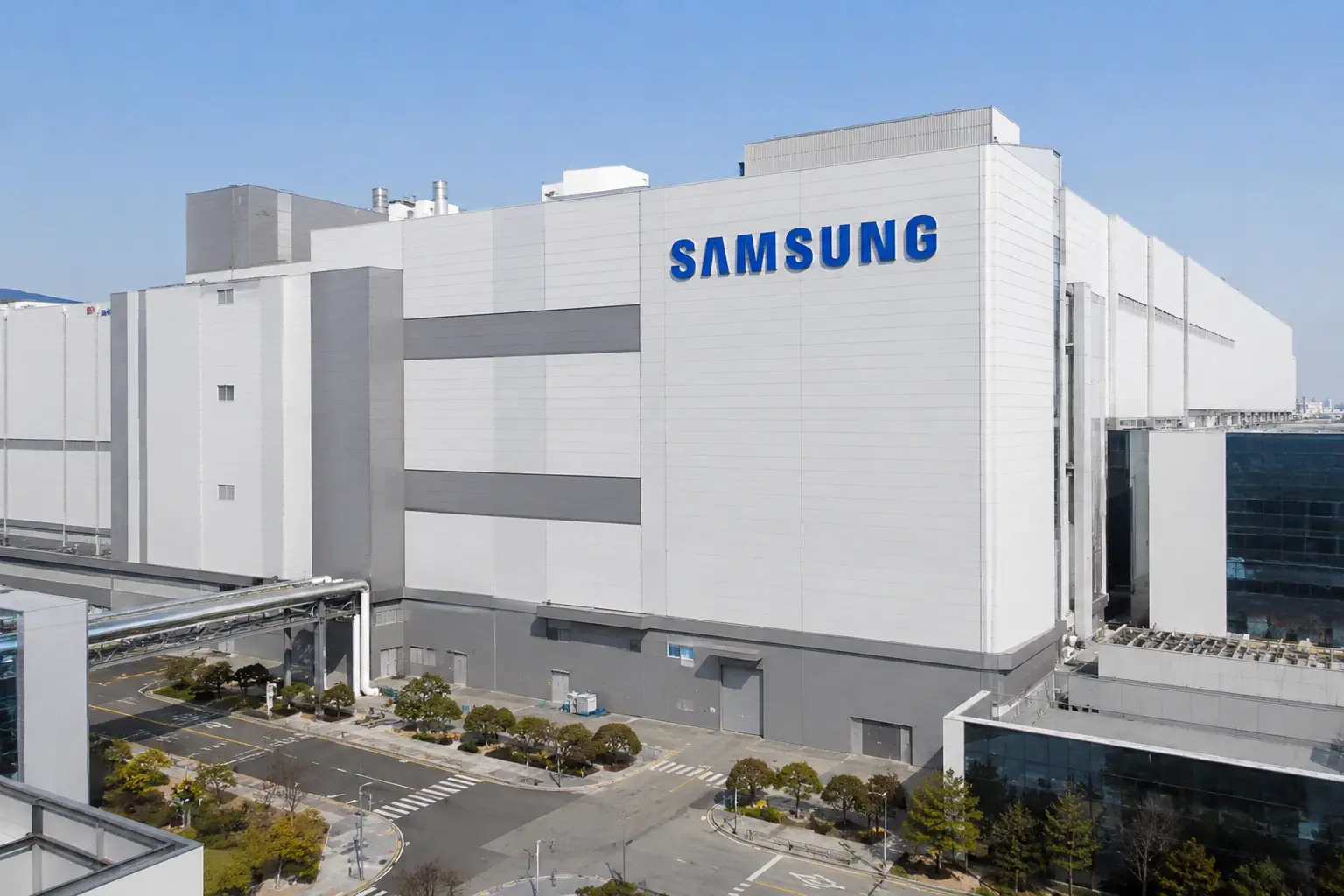
Most people hear “Samsung” and immediately think about smartphones or TVs. But behind the scenes, Samsung is also one of the most important semiconductor companies in the world, especially when it comes to memory production.
That is why the company’s possible labor strike in South Korea is getting so much attention inside the technology industry.
The current dispute involves Samsung Electronics employees tied to semiconductor operations, including chip fabrication workers, engineers, technical staff, and support teams. Reports say the union is threatening an 18-day strike if negotiations over wages and bonus structures fail.
At first glance, that may not sound like something the average person would care about. But here’s the point: Samsung is one of the largest producers of NAND flash memory and DRAM in the world. Those components power everything from SSDs and laptops to AI servers and cloud infrastructure.
In other words, this is not just a local labor story.
Why the Memory Industry Is Paying Attention
Semiconductor manufacturing is very different from traditional factory work. Modern chip fabs run continuously with highly specialized equipment, robotic handling systems, clean rooms, and tightly controlled production schedules.
Even though the facilities are heavily automated, they still rely on experienced engineers and technical workers to keep production moving efficiently.
If a large-scale labor action slows production, the impact can stretch beyond the strike dates themselves. Semiconductor manufacturing has long production cycles, meaning lost wafer starts or interrupted schedules may continue affecting output even after workers return.
That is one reason analysts are watching the situation closely.
A disruption involving Samsung could potentially affect:
- NAND flash supply
- SSD production schedules
- Enterprise storage systems
- AI server infrastructure
- Memory pricing
The timing also matters because demand for AI hardware continues to grow rapidly. Memory has become one of the critical bottlenecks in modern AI infrastructure.
Samsung’s Labor Situation Has Changed
Historically, Samsung was not known for labor strikes. In fact, the company spent decades with a reputation for being strongly anti-union.
That began changing in 2024 when Samsung workers staged several labor actions, including walkouts and short-term strikes tied to compensation and bonuses.
Today’s situation feels more significant because the semiconductor market itself has become more important globally. Samsung is competing aggressively in advanced memory technologies, including products used in AI servers and high-performance computing systems.
Workers appear to believe they should share more directly in the profits created by the AI boom.
The Bigger Issue Most Consumers Never See
One interesting part of this story is how invisible the semiconductor industry usually is to regular consumers.
People notice when a smartphone launches late or when graphics cards become expensive. But they rarely think about the memory supply chain sitting underneath those products.
The reality is that modern technology depends heavily on companies like Samsung, SK Hynix, Micron, and Kioxia continuing to manufacture memory at enormous scale.
Even a temporary disruption can create ripple effects across the storage industry.
For readers interested in the deeper manufacturing and NAND market side of this story, the full breakdown is available at GFM here:
Samsung Strike Threat Explained: What It Means for Memory Chips and NAND Supply
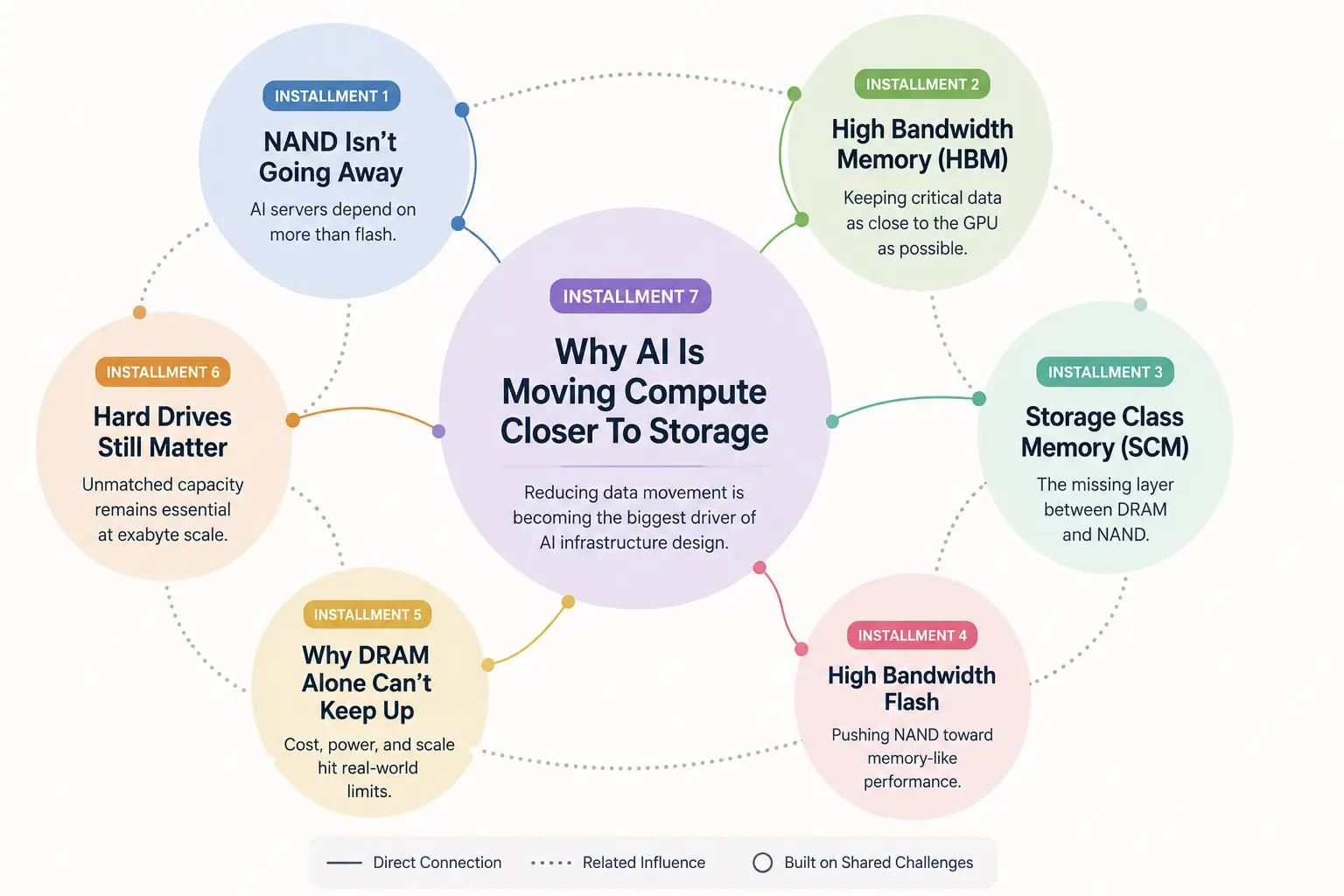
The broader memory market discussion also ties into the growing importance of AI infrastructure storage, especially as traditional hard drives and NAND flash continue working together inside massive data centers. We recently covered that topic in our article about why hard drives are still critical for AI infrastructure.
Bottom line: most consumers may never hear about the Samsung strike situation, but inside the semiconductor world, people are paying very close attention.
Let GetUSB.info keep you updated.
Receive article notifications about USB storage, flash memory, and duplication updates in your preferred language. We average a couple of articles per week.