
The Hidden Physics of Plugging Things In
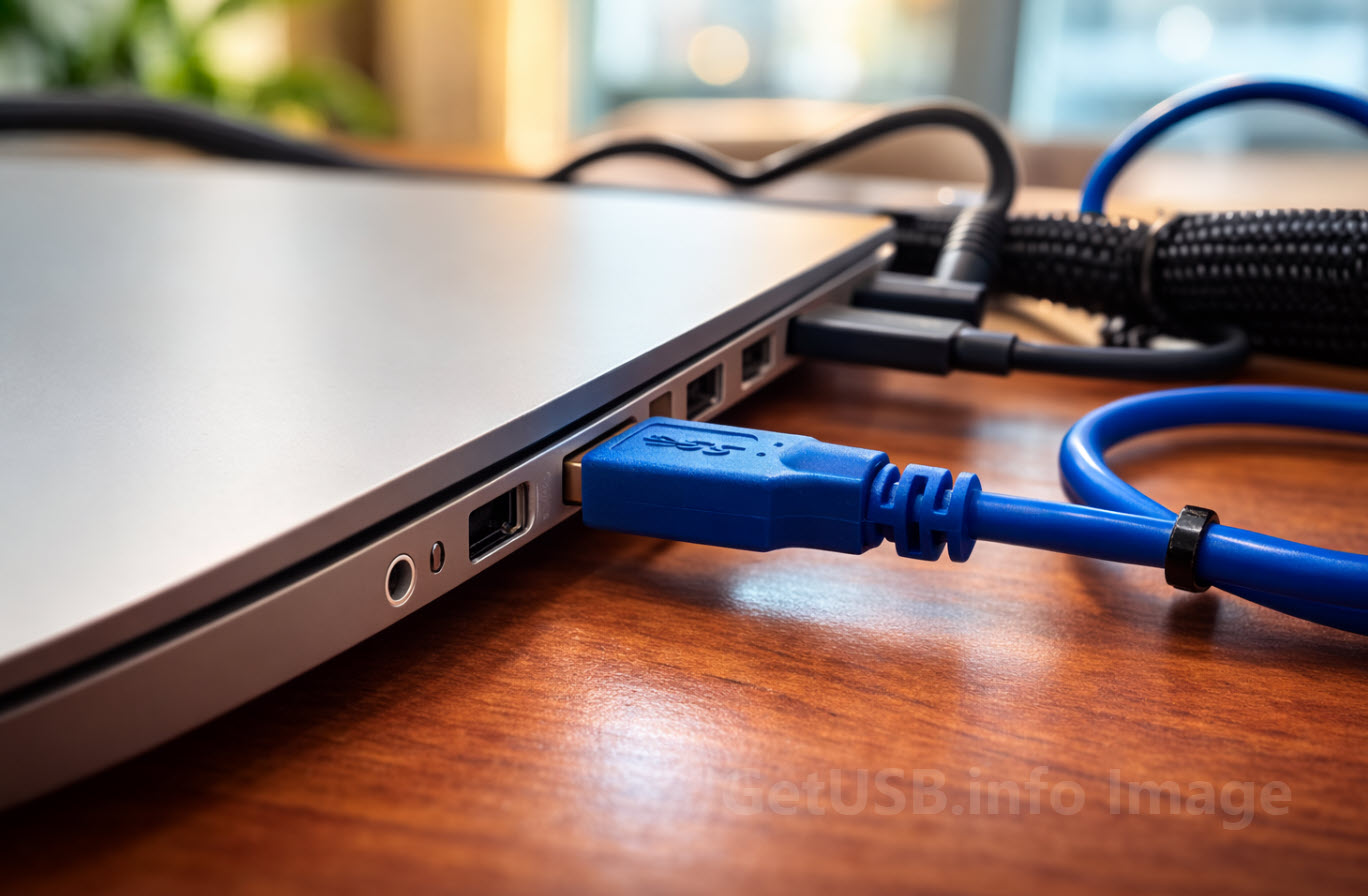
Most people think plugging something in is a simple mechanical act. You push one side into the other, current flows, and the job is done.
In the real world, that tiny moment is a lot more complicated. Every connection depends on pressure, friction, surface chemistry, and the quality of two metal surfaces meeting at microscopic contact points. What looks smooth to the human eye is rough like a mountain range under magnification, and electricity only passes through the high spots where those surfaces actually touch.
That is where contact resistance begins. The less clean and stable those contact points are, the more resistance builds at the interface. Most of the time the change is small enough to go unnoticed. Over time, however, wear, oxidation, dirt, and repeated insertions can slowly turn a reliable connection into an inconsistent one.
Contact Resistance Is the Real Story
Two metal parts do not touch across their full visible surface. They touch at tiny asperities, which are microscopic peaks in the metal. Current is forced through those small points, so the quality of the connection depends on how many of those points exist, how much pressure is applied, and whether contamination is sitting between them.
A well-designed connector uses spring force to create stable pressure and maintain a low-resistance path. That sounds simple, but it is a balancing act. Too little pressure and the contact becomes unstable. Too much pressure and the surface plating wears out faster.
Why Connectors Degrade Over Time
Every insertion causes a small amount of mechanical wear. The surfaces rub against each other, scrape away microscopic material, and gradually change shape. In many designs that wiping action is intentional because it helps break through thin films of contamination. At the same time, repeated use slowly removes the protective finish on the contact surface.
That is why a connection can work perfectly for years and then start acting odd without any obvious physical damage. The issue may not be the electronics behind the connector at all. It may be the slow change in the metal interface itself.
Gold vs. Nickel vs. Tin
The type of metal on the contact surface matters more than most people realize. Gold is valued because it does not oxidize under normal conditions. It keeps a stable low-resistance surface and is ideal for low-voltage signaling where consistency matters. Nickel is harder and durable, but it can form oxide layers that are less conductive. Tin is inexpensive and common, but it is generally less durable over repeated insertions and more vulnerable to surface problems if conditions are poor.
In practical terms, gold is usually chosen for reliability, nickel is often used as a structural or barrier layer, and tin is used where cost matters more than premium long-term contact performance.
Tiny Amounts of Dirt Can Matter
Dirt does not need to be visible to create problems. Skin oil, household dust, humidity residue, and airborne contaminants can form an ultra-thin film over a contact surface. Even a small amount of contamination can increase resistance, especially in low-voltage electronic connections where the system expects a very stable signal path.
This is also why reconnecting something sometimes seems to fix the problem. The insertion motion can wipe part of the surface clean and restore better contact, at least temporarily. But if the root issue is wear, oxidation, or a dirty port, the problem usually returns.
We covered the practical side of contamination in our article on dirty ports causing bigger connection issues, and the same logic applies broadly to electrical connector design in general.
Micro-Arcing: The Damage You Never See
When contact quality becomes poor, the electrical path can become unstable enough for tiny arcs to occur across microscopic gaps. These events are far too small to see, but they can pit the surface and slightly change the geometry of the metal. Over time, that damage adds up. What began as a little oxidation or contamination becomes a rougher, less reliable contact area.
This is one reason connector problems can feel random. The connection is not always completely broken. It is just drifting in and out of acceptable performance depending on pressure, vibration, temperature, and surface condition.
Morris Chart: Common Contact Metals and Practical Durability
| Contact Metal | Durability | Oxidation Resistance | Typical Strength | Practical Weakness |
|---|---|---|---|---|
| Gold | High | Excellent | Best for stable low-resistance contact | Higher cost, thin plating can wear through |
| Nickel | Medium-High | Fair | Hard surface, good structural layer | Oxide layer can increase resistance |
| Silver | Medium | Good | Excellent conductivity | Tarnish can affect surface quality |
| Tin | Medium-Low | Fair | Low cost, widely used | More wear-sensitive over repeated insertion cycles |
Reliability Usually Fails at the Interface First
Connector problems are a good reminder that reliability is not just about speed or specifications on a box. It is often about the quality of the interface where two small pieces of metal meet and whether that connection stays clean, stable, and mechanically sound over time. That is one reason dependable links so often come down to fundamentals, something we touched on from another angle in our piece about why reliability is usually harder than raw speed.
The Useful Rule of Thumb
None of this means people should become obsessive about cleaning every connector in the house. Most connections should be left alone unless there is a reason to investigate. The better takeaway is awareness. If one cable works and another does not, the problem is usually the cable or the device attached to it. But if one specific port stays flaky with multiple known-good connections, the port deserves a closer look. That is the moment to check for debris, wear, looseness, or contamination rather than assuming the electronics behind it have failed.
Editorial Transparency & EEAT Statement: The photo used in this article was taken during a real workspace setup involving a laptop and connected USB cables. Lighting and contrast were slightly enhanced to improve clarity for publication, but the equipment and connection shown are authentic. The article itself reflects real-world observations about everyday computer connections and how physical connectors behave in practical use.
Tags: connector oxidation, connector reliability, contact resistance, electrical connectors, gold plating
